
What Is a 30-60-90 Territory Plan?
A 30-60-90 plan involves strategizing action steps and goals for the first 30, 60, and 90 days of a new sales territory or position. The plan keeps you focused on specific targets while informing your manager of progress.
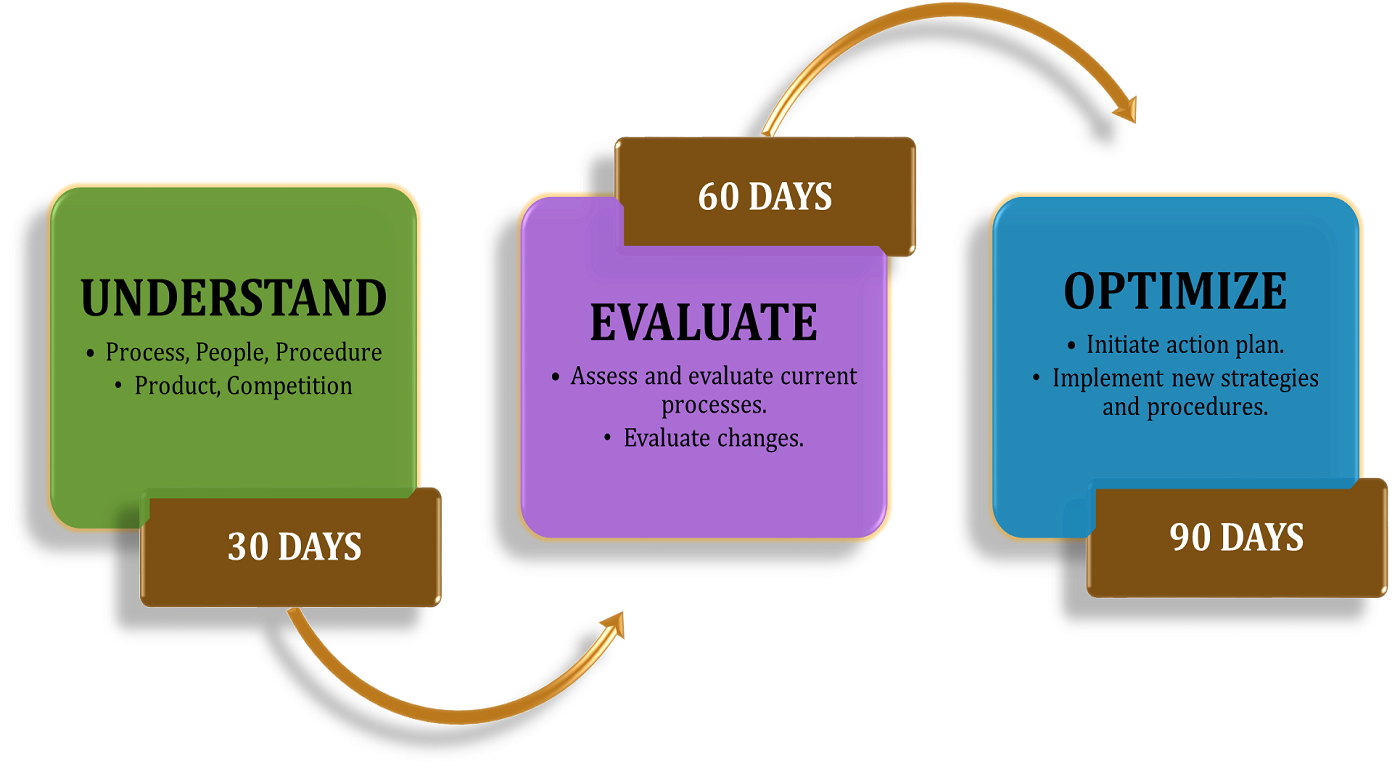
General structure:
- Days 1-30: Learn all you can
- Days 31-60: Put a plan into action
- Days 61-90: Make the plan better
Getting detailed alignment with your manager helps avoid stress for both parties and allows managers space when needed.
When to Use a 30-60-90 Day Sales Plan
Interviewing for a New Sales Position
Hiring managers frequently ask candidates about 30-60-90 day plans. Presenting a formal plan distinguishes you from competitors by demonstrating strategic thinking about how you’ll execute the role.
On a New Job
Creating a sales plan during your first week communicates your operating style to leadership and ensures alignment with company goals. Even with a plan from interviews, reviewing it with your clearer understanding of the company is essential.
Assignment to a New Territory
When assigned a new territory, developing a plan provides organization and clarity. This transition requires familiarity with new markets, and having a focused strategy accelerates success.
Create a Leadership Strategy
New managers face pressure to prove worth while learning company dynamics. A 30-60-90 plan allows leaders to stay aligned with company goals while developing improvement strategies without overwhelming teams.
Leveling Up Sales Skills
Implementing these plans semi-regularly audits your customer approach and messaging, especially during organizational changes or economic shifts.
How Long Should a 30-60-90 Day Sales Plan Be?
Sales plans typically span 3-8 pages. Length depends on purpose: longer documents suit new positions with multiple responsibilities, while shorter versions work better for interviews. Plans should address all necessary needs without unnecessary padding.
30-60-90 Day Plan Templates for Better Sales
Template #1: 30-60-90 Day Plan for an Interview
Days 1-30: Gain Understanding of Company Values and Analyze Your Market
Focus areas:
- Complete company training to learn skills and objectives beyond the training course itself
- Gain in-depth understanding of company products or services, achieving mastery quickly
- Understand your target market through buyer persona research
- Create connections across the organization, including customer service and IT
- Schedule weekly checkpoints with mentors or leadership for progress updates
Days 31-60: Get On-The-Ground Training
Actions:
- Set and revise sales goals based on what resonates with customers
- Get to know prospects and improve customer experience through hands-on work
- Find a mentor or experienced team member to shadow and role-play with
- Translate theoretical knowledge into practical application
Days 61-90: Refining Your Goals and Plans
Final steps:
- Adjust goals based on what you’ve learned
- Optimize your prospect and customer lists for maximum reach
- Evaluate your schedule for peak prospecting times and route efficiency
- Gather feedback from team members and leadership to shape strategy
Template #2: 30-60-90 Day Plan for a New Sales Territory
Days 1-30: Understand and Analyze Your Market with Strategic Sales Plan
Define Your Market
Answer these questions:
- What are the geographical bounds of this territory?
- What is the Serviceable Addressable Market (SAM) value?
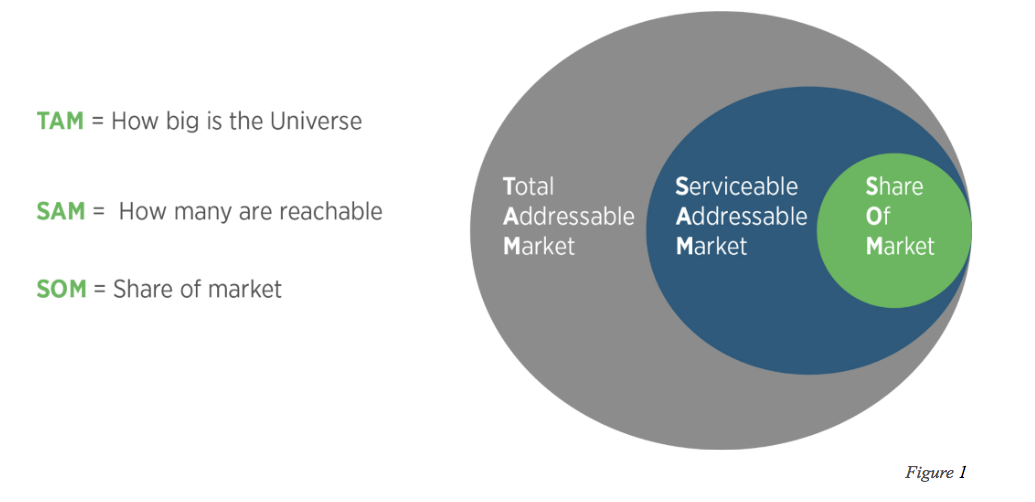
- What is your Share of Market (SOM)?
- What are demographic characteristics of the territory?
- What spending power do prospects have?
- Which competitors already operate here?
Analyze Your Leads
Evaluate leads based on quality relevant to your business goals. If maximizing revenue is your goal, examine potential revenue as your main KPI. If minimizing churn matters most, assess likelihood of customer retention.
Segment Your Market
Divide your market into segments meeting these criteria:
- Substantiality: Enough leads to make the segment worthwhile
- Measurability: Easy identification of segment members
- Accessibility: Segment represents actual prospects in your territory
- Responsiveness: Segment requires different sales or marketing tactics
Complete a SWOT Analysis
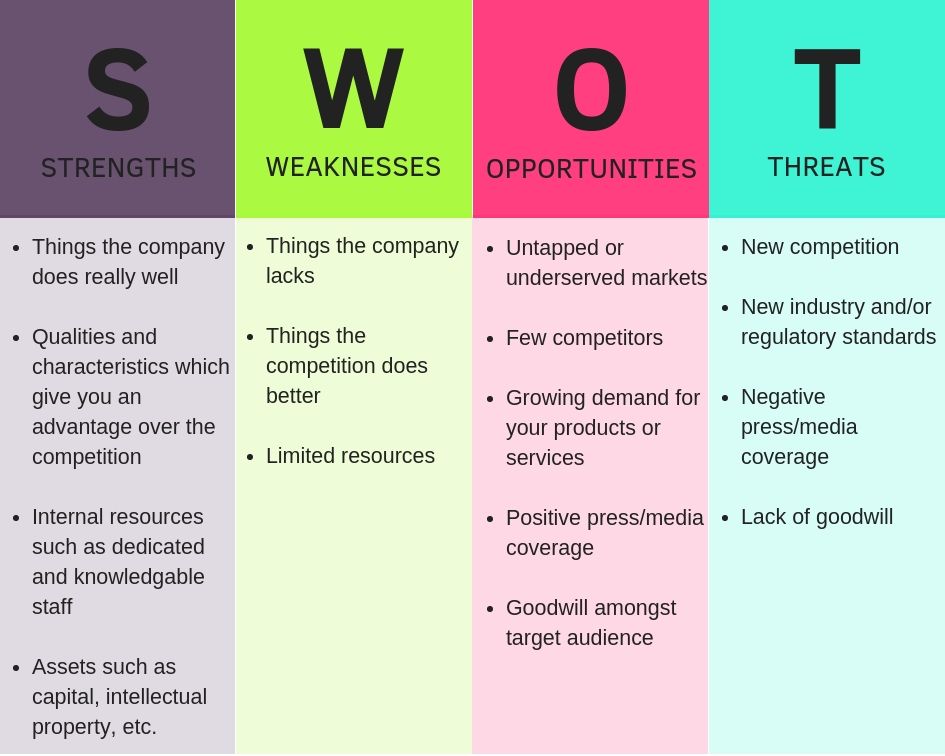
Divide strengths and weaknesses (internal factors) from opportunities and threats (external factors). Brainstorm thoroughly — this analysis guides future action steps.
Define Success
Establish what success looks like: “What is your most important KPI?” Set tangible, SMART goals (Specific, Measurable, Attainable, Relevant, and Timely).
Create Action Items
Reference your SWOT analysis to develop specific actions addressing weaknesses and threats while leveraging strengths and opportunities.
Days 31-60: Execute Your Plan and Get Qualitative Feedback
Find New Leads
Excel at serving current customers to increase referral rates. Warm leads require less work for higher close rates.
Optimize Your Route
Use digital tools to discover efficient paths between customer locations. Route optimization can save up to 30% on gas.
Get Qualitative Feedback
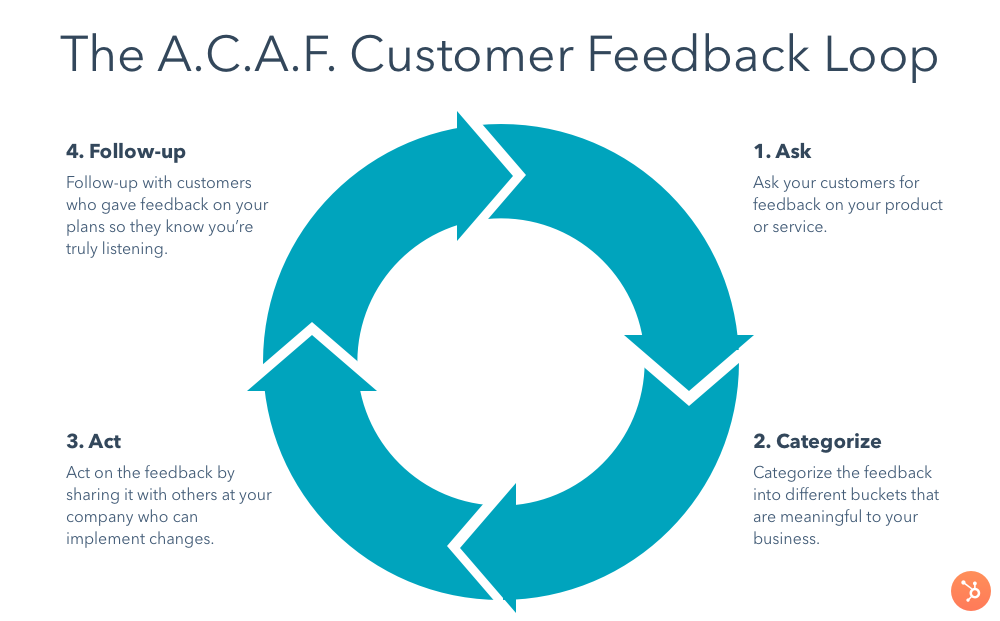
- Check in regularly with your team for ideas and observations
- Meet with mentor figures for experienced perspectives
- Gather customer feedback through surveys, questionnaires, and interviews about purchase decisions
Days 61-90: Optimize and Implement New Strategies Using Sales Analytics
Run the Numbers
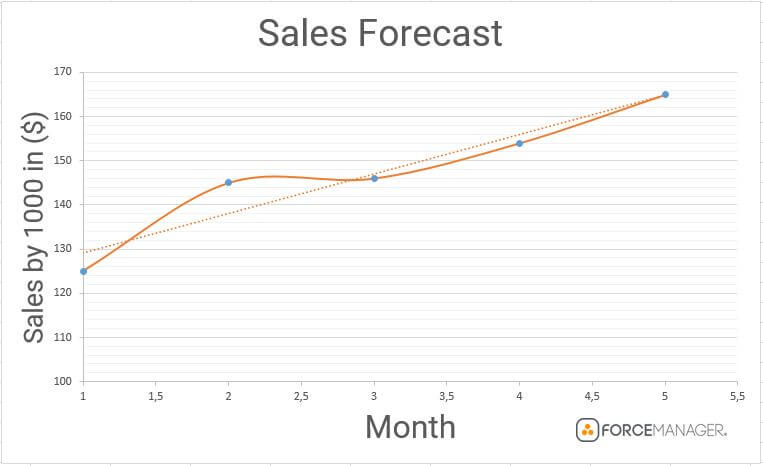
With accumulated data, analyze results against goals. Review with your entire team to identify successes and improvement areas.
Individual Account Reviews
Schedule meetings with each client to ask:
- How has our service been?
- Have we helped improve your KPI?
- How could we serve you better?
- What else are you working toward or struggling with?
These conversations gather valuable feedback and identify upsell or cross-sell opportunities.
Automate Your Sales Processes
Organize your CRM thoroughly, then identify tasks suitable for automation. This frees time from menial work for actual selling.
Template #3: 30-60-90 Day Plan for Managing a New Team
Days 1-30: Get to Know Your Team
Learn company policies, goals, and operations. Develop deep understanding of your team’s current operations and dynamics by having meaningful conversations with direct reports. Understanding unique strengths and weaknesses is critical for effective leadership and team satisfaction.
Days 31-60: Bringing Your Skills to the Team
Identify skill gaps within your team. Share your expertise where applicable and determine necessary training. Create measurable goals for your team based on company objectives. Clear vision maintains morale and guides decision-making.
Days 61-90: Develop and Draft a Training Strategy
Develop training strategies to overcome identified gaps and guide direct reports toward their future roles. Based on observations of strengths and weaknesses, create coaching plans for individual growth.
Day 91: What Now?
Congratulations on transitioning from new sales position to performing well in 90 days. Remember that “crushing it” means constant improvement. If you’re trying new things, seeking opportunities, finding leads, and actively participating in your position, you’re always succeeding — even when specific campaigns don’t achieve dramatic success.