
What Gets Measured Gets Done
As a new outside sales rep, nothing is more frustrating than managing a territory without a plan. Just ask Joe McDonald, Executive Vice-President at Jasper Engines and Transmissions.
When he was first hired in the outside sales rep role, he wasn’t given much more than a spreadsheet and encouragement. Within 6 months, he was burned out. “I’d been very frustrated with the job. Not knowing where I needed to go, not being organized, I just felt lost.”
Most companies recognize that a defined sales process and territory management plan matter. Yet many lack a clear starting point for implementation across their organization.
Start With Your Best Reps

“I bought a map and started to break down my territory into four quadrants. And I spent a week in each quadrant in my entire territory. And that allowed me to be much more efficient.”
This foundational approach drives Jasper’s current sales process. Every outside rep has a territory divided into four quadrants. Accounts within each quadrant are labeled 12s, 6s, and 4s — designating the number of face-to-face visits required annually.
Each visit follows structured work instructions:
- Start with a sales plan outline — Define questions, products, and meeting goals
- Prep your presentations — Organize presentations with planned pause points for clarification
- Define next steps — Ensure mutual understanding of post-call follow-up
- Log the outcomes — “What gets measured gets done. And Jasper requires all sales reps to log outcomes.”
As Joe explains: “Our company has processes, we’re a manufacturing company. And when we started looking at outside sales, we’ve really carried those processes for manufacturing to outside sales.”
Changes to presentations, scripts, and processes stem directly from what top performers do. This bottom-up approach ensures sustainability.
Process Breeds Long-Term Results
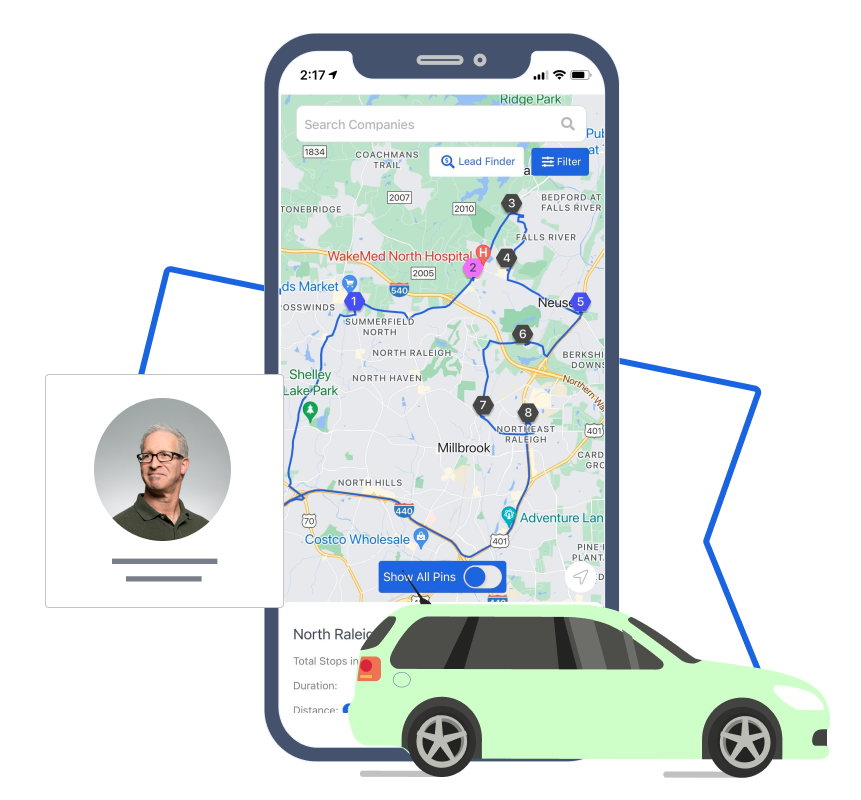
This level of process structure is uncommon in outside sales organizations. Yet it’s revolutionary because it limits failure and clarifies where problems originate.
Joe elaborates: “If you’re doing all those processes, and you’re struggling, I’ll come out, get in that car, and we’ll figure it out. Because if it’s not the process, it’s something else.”
Well-defined processes create resilience during difficult times. While current market conditions may be favorable, economic turbulence always returns. Reps who consistently follow proven processes build the confidence to rely on them when conditions change.
As Joe notes, “Sales hides all sins.” During strong periods, top performers may resist coaching. Yet when markets tighten, those who internalized the process rise to the top.
Measuring the Metrics That Matter
Jasper holds reps accountable to 13 “good calls” daily — measured against account type, desired outcomes, sales plans, presentations, and follow-up protocols.
Leadership operates under similar accountability:
Regional managers complete:
- Face-to-face visits (reduced volume compared to reps)
- Ride-alongs with specific recorded metrics:
- Were you in the field with a decision maker?
- How many ride-alongs per week and month?
- What products are discussed with which customers?
These metrics serve coaching and provide leadership visibility into market trends.
Joe emphasizes: “We sell gas engines, transmissions, differentials, diesel engines, and we want to know what reps are talking about. What you talk about is what you sell.”
When leadership directs focus — say, “Let’s push transmissions” — inquiry patterns shift accordingly. This tracking helps leaders guide reps toward revenue-generating conversations.
When Fear Beats Best Practices
“Where I see a lot of sales leaders fail is fear,” Joe explains. Many hesitate implementing standards, worried about losing top performers. Yet standardization derives from best practices.
The solution: “Look at what your top reps are doing. Go ride with them, what are they doing, take one or two of those things and bring that into the fold across your team. And that’s where you get the buy in.”
When reps see top performers endorsing new processes, buy-in increases. The organization signals it exists to help reps succeed first — not simply boost margins.
At Jasper, implementation focused on rep value:
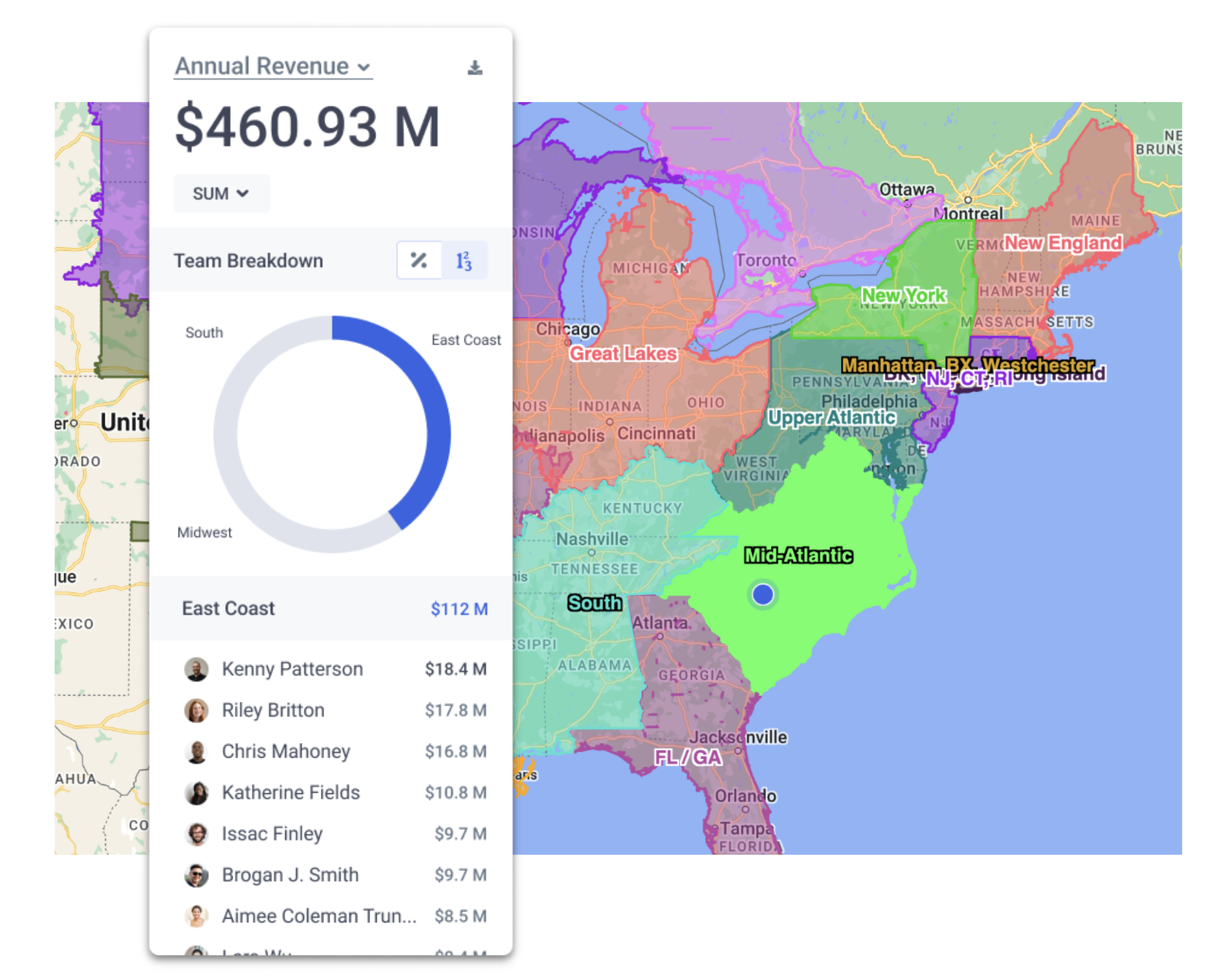
“What we did from a buy-in perspective is we had some of our best reps pilot Map My Customers first. Then, we tweaked a bit before we brought it in and said ‘This is what these reps like about it. That’s why we’re bringing it in.’”
The team communicated an MVP (minimum viable product) approach: “We’re going to tweak this and make it better as we go along.”
Mandating adoption proved essential: “This is our CRM, you must enter your call into this product. So it’s mandatory for us.”
One powerful feature emerged during implementation: “Our sales leaders now have the ability to put in a coach’s note live. So they can see that a rep saw Jim’s Automotive, and he’s going to be going back in there later this week. He can go right into that account and say, ‘Hey, Bill, I noticed you said you talked about this last time, try this this time.’”
When everyone derives value, adoption accelerates.
When the Rep Wins, the Company Wins

When Joe McDonald started, he received only an account list and a quota. For most new outside reps, this remains the norm — unnecessarily.
Building a defined, measurable sales process needn’t require months of perfectionism. It simply must give reps the tools to manage territory more effectively.
For Jasper, success involved:
- Capturing top rep processes and systematizing them
- Implementing measurable metrics answering: “How can we help reps succeed?”
- Adopting technology serving the rep first, leadership second
This progression lifted administrative burden. Before planning their day, reps now know exactly whom to see, what to discuss, what to present, and how to follow up.
The brand impact extends beyond financials. Jasper is known industry-wide for well-prepared, knowledgeable outside sales teams. Customers trust these reps to challenge them and drive business results.