
Introduction
Sales aren’t really that complex. The key is to deliver the right things to the right people at the right time. These 16 templates cover every stage of the sales email lifecycle so you always have the right message ready.
Emailing Golden Rules
Personalize Every Subject Line
Adding recipient names in subject lines can increase open rates by 20%.
Keep It Brief
Short subject lines like “quick question” get 33.4% more replies than lengthy ones. Ideal email length for responses is around 75-100 words.
Speak Like a Human
Write conversationally as if emailing a friend. Avoid overly formal business tone.
Email During Normal Waking Hours
Schedule emails for reasonable times when recipients are likely awake.
The 16 Templates
1. Cold Outbound
Introduce yourself, explain why they need your solution, and highlight benefits. Lead with value, not your company bio.
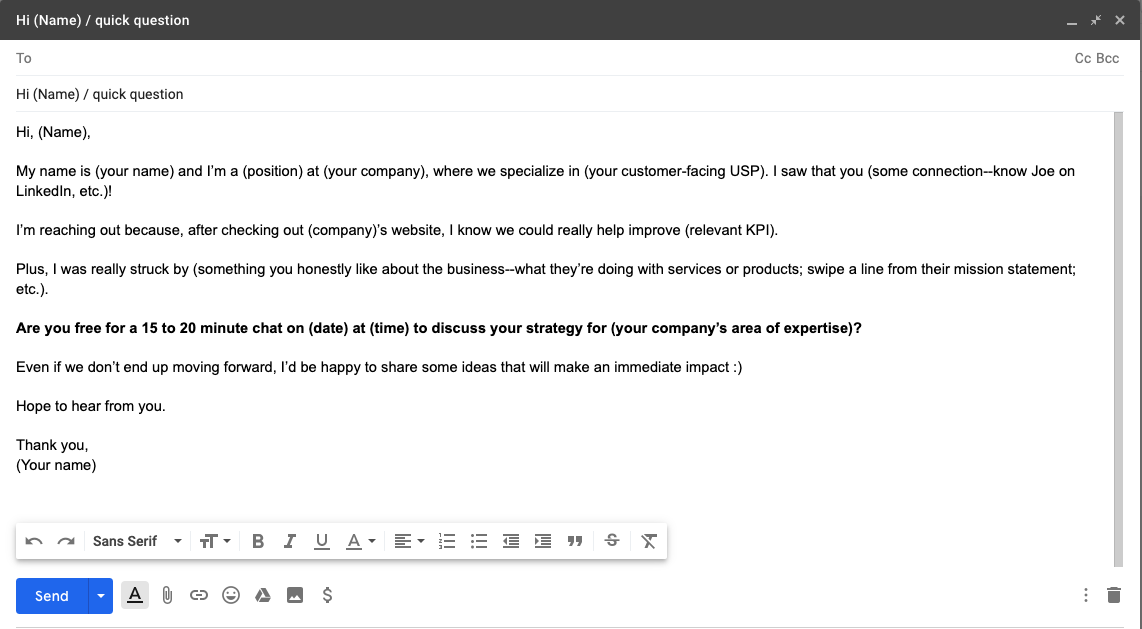
2. After Just Leaving a Voicemail
Keep prospects engaged by following up immediately after leaving a voicemail. Reference the voicemail in your email to create a multi-touch experience.
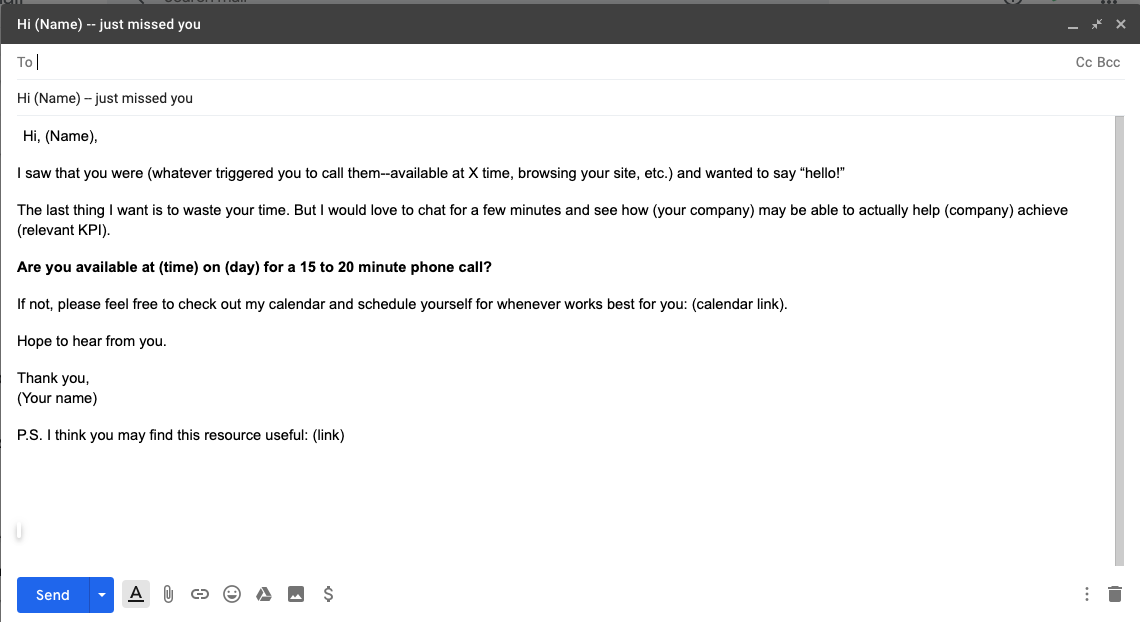
3. Trigger Event Occurred
Reference specific research about the prospect rather than sending generic emails. Mention a recent funding round, product launch, or company milestone.
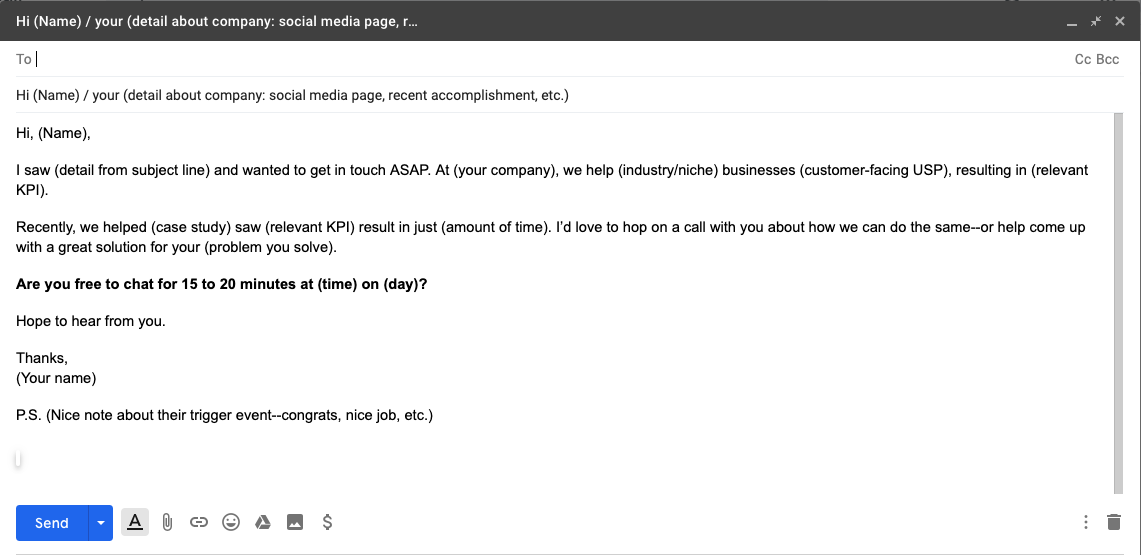
4. Prospect’s Colleague is Your Client
Leverage FOMO by mentioning their colleagues already use your platform. Social proof from within their own organization is powerful.
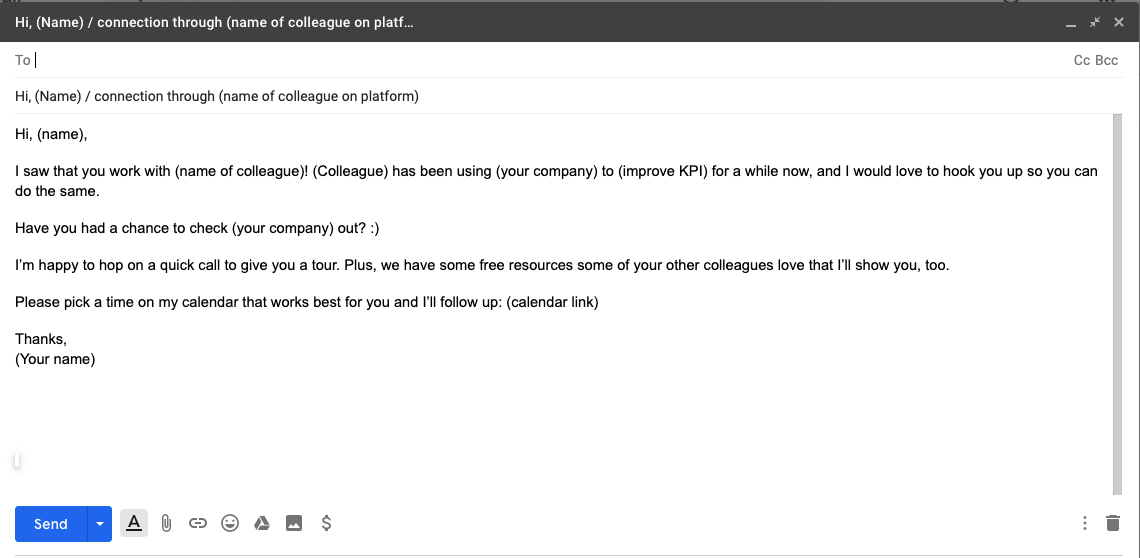
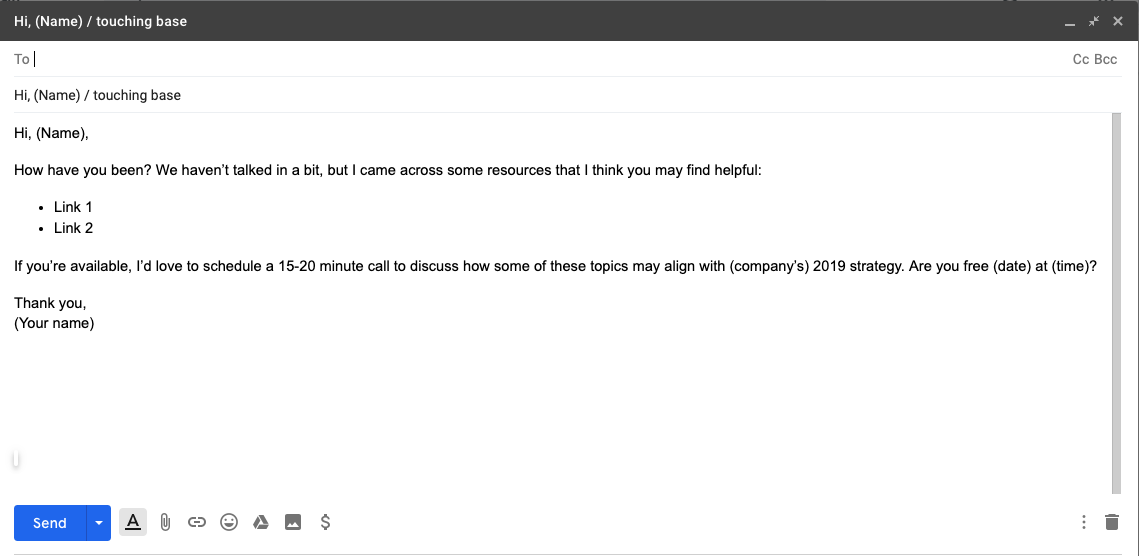
5. Prospect Goes Cold
Remind them competitors are using your tool. Re-engage with fresh value and a sense of urgency.
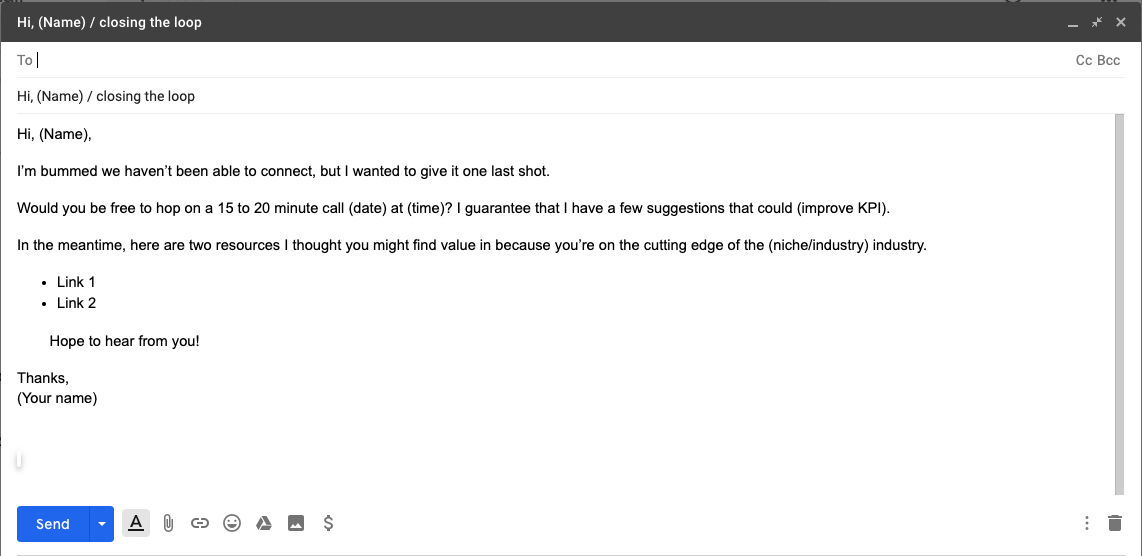
6. Last Outreach
Final attempt before abandoning the lead. Be direct and give them an easy out — sometimes that honesty reignites the conversation.
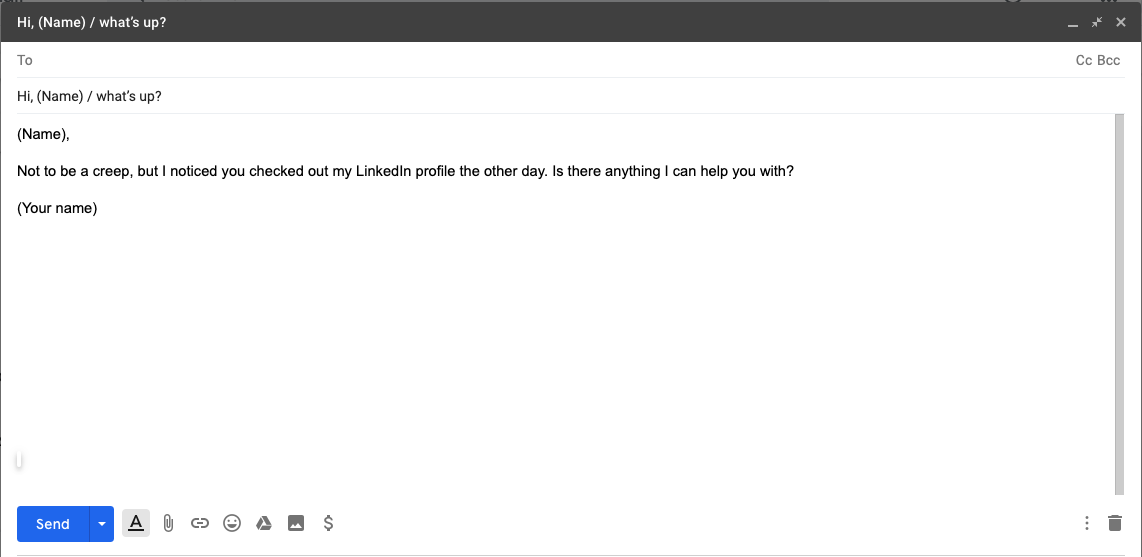
7. Prospect Views Your LinkedIn
They’ve shown interest by viewing your profile; pique it further. Reference the LinkedIn activity naturally without being creepy.
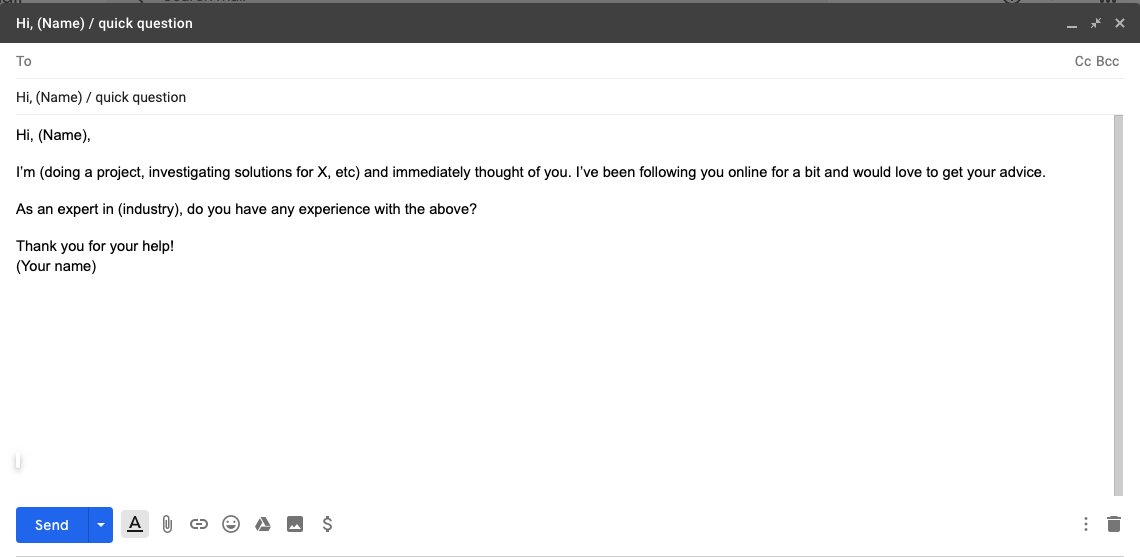
8. Ask For Advice
A humble approach asking for expertise builds relationships. People love being recognized as experts in their field.
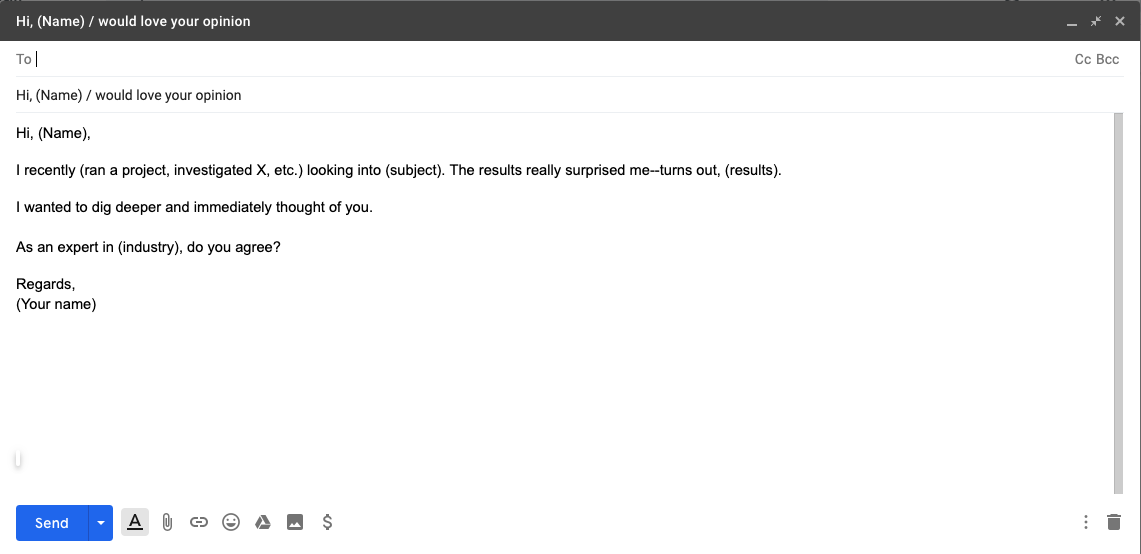
9. Get Their Opinion
Ask a seemingly harmless question related to your solution. This opens a dialogue without a hard sell.
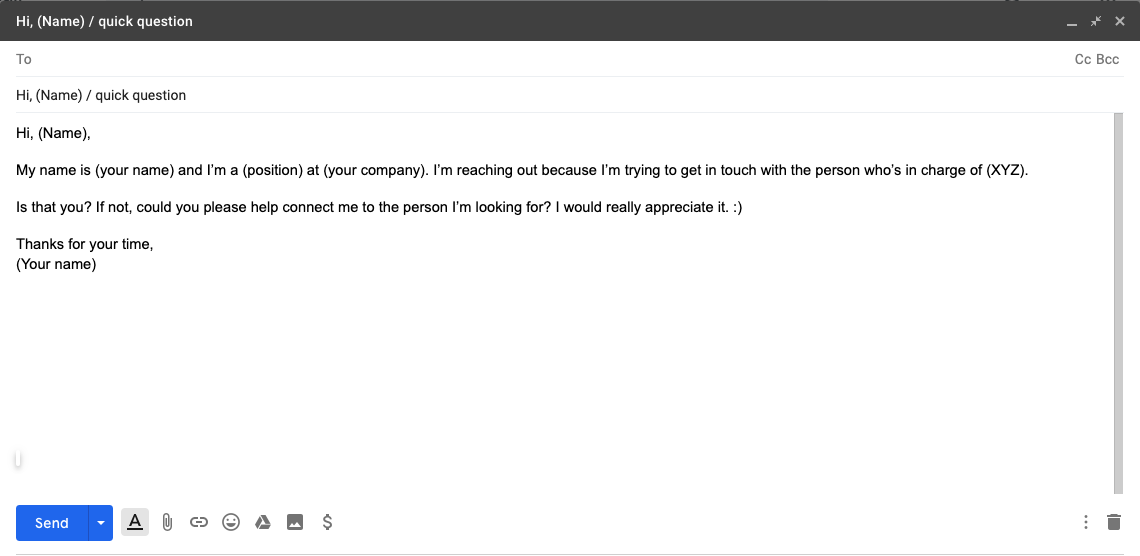
10. Ask If They’ve Got the Right Person
Respectfully identify the decision-maker. If they’re not the right contact, most people will happily redirect you.
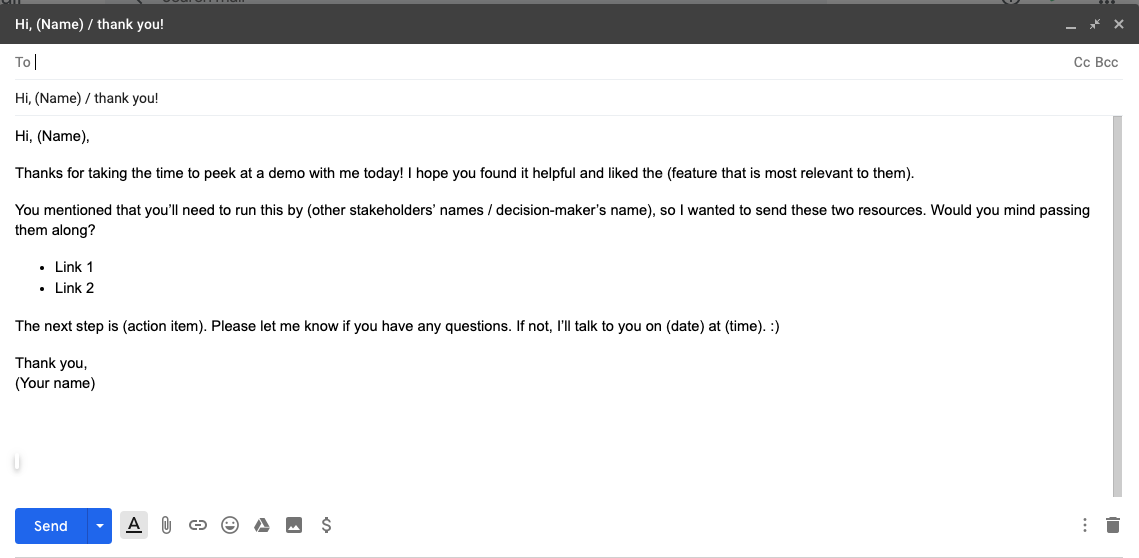
11. Demo Recap
Follow up after a successful demo, listing key benefits discussed. Reinforce the value they saw and outline clear next steps.
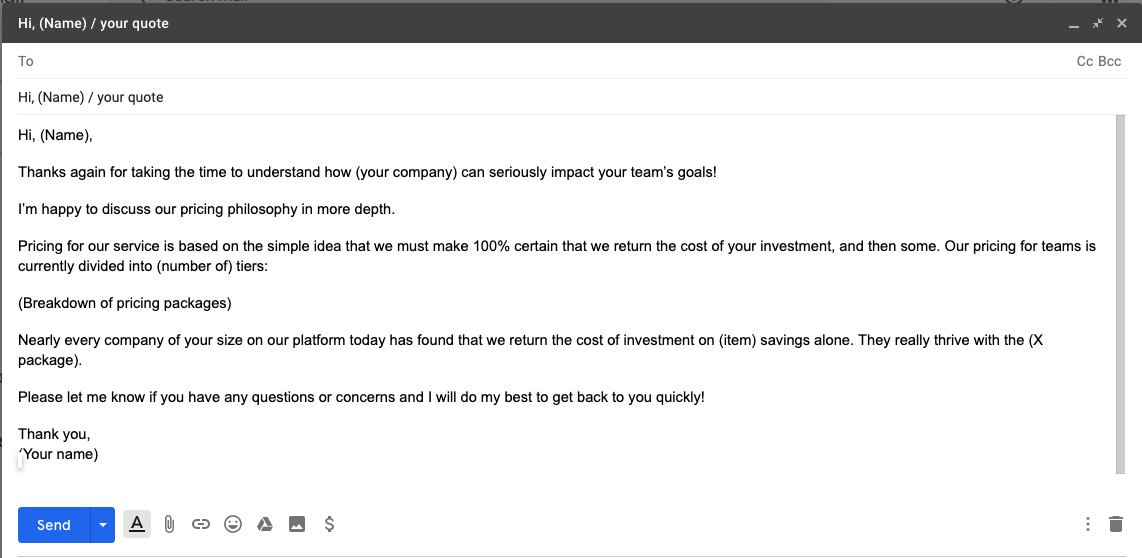
12. Pricing
Present tailored proposals explaining why specific options fit their business. Avoid sending a generic price sheet.
13. Compelling Case Study
Share success stories of direct competitors you’ve helped. Nothing motivates a prospect like seeing a peer’s success with your product.
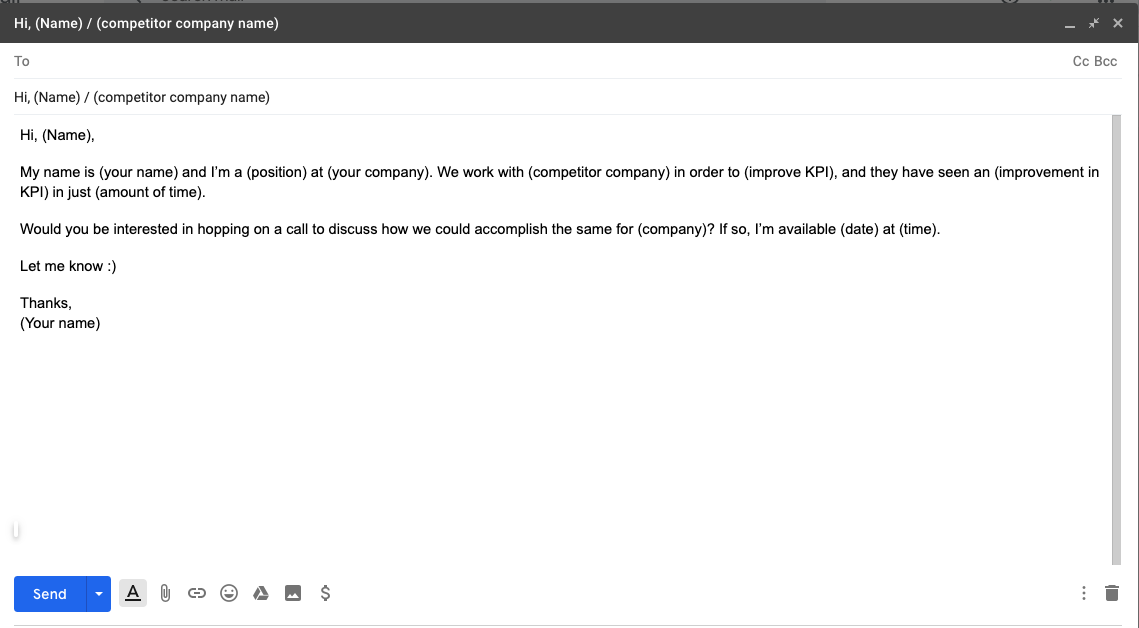
14. Ask for a Referral
Build rapport with gatekeepers to access decision-makers. A warm introduction converts far better than a cold email.
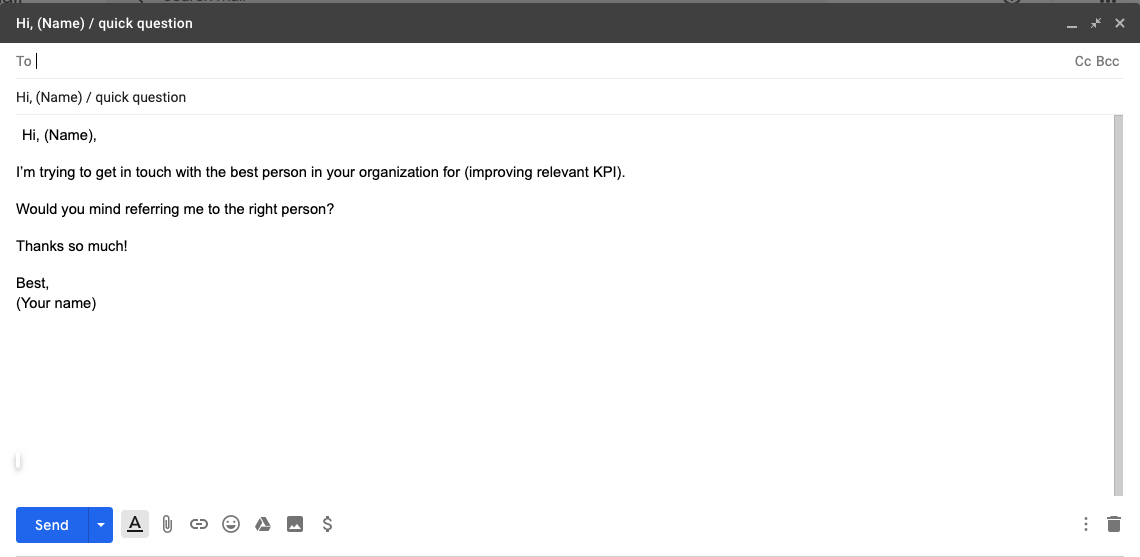
15. Competitive Comparison
Use third-party reviews to build credibility. Let independent sources make the case for your product’s advantages.
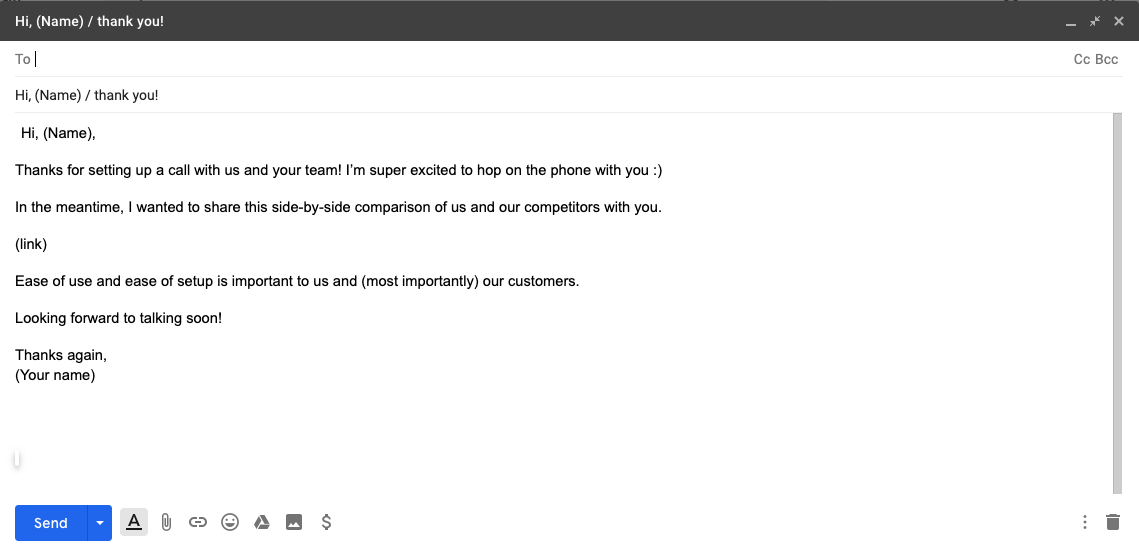
16. Industry Fact Sheet
Customize collateral for specific industries showing competitor success. Tailored content demonstrates you understand their unique challenges.
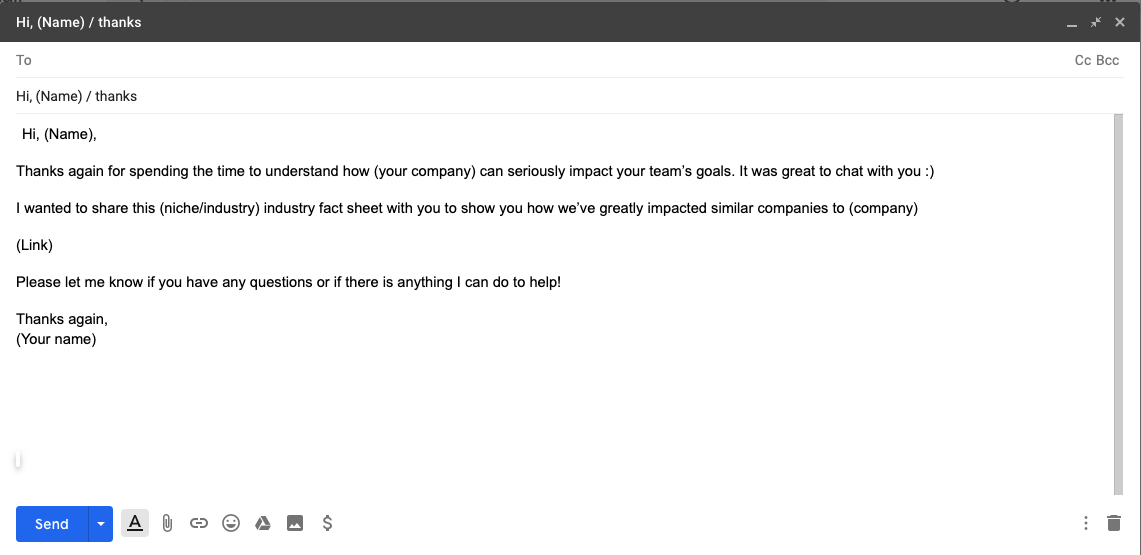
Conclusion
These 16 templates cover every stage of the sales email journey. Customize each approach rather than sending identical emails to all prospects — personalization is the difference between getting a reply and getting deleted.